
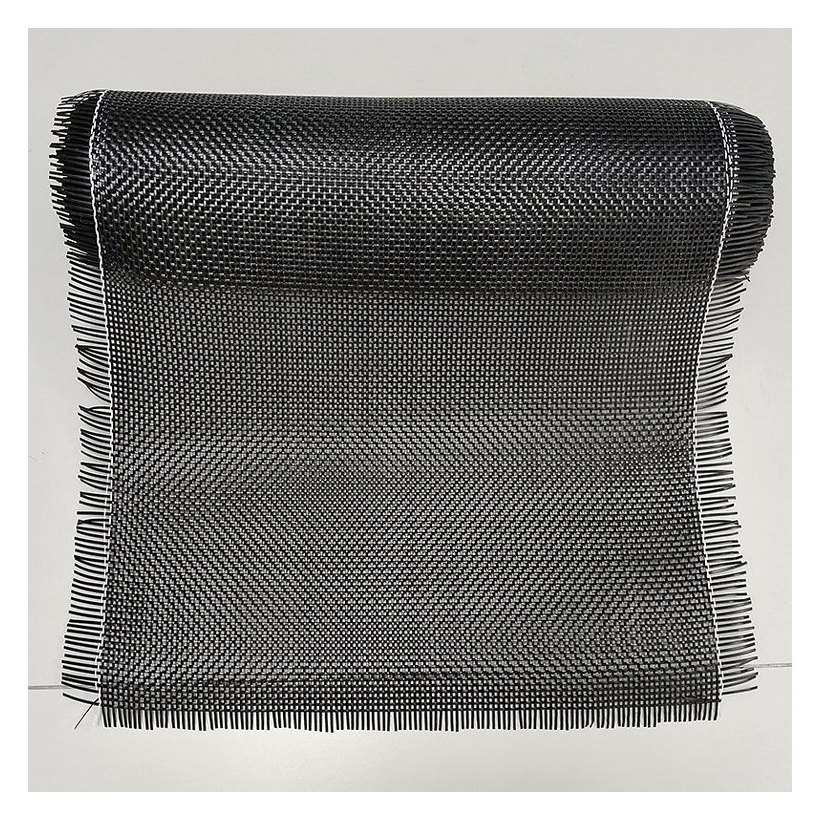
Direct Answer
A test report should not be accepted only because it names PE rattan, an ASTM/ISO method or a recognized laboratory. Incoming QC should confirm that the report's supplier, sample identity, formulation or product scope, color/profile where relevant, method and result can actually be connected to the material being released.
What to Check Before Release
Before release, match the shipment to the purchase order, supplier item code, approved physical sample, color reference, profile drawing or measured dimensions, surface requirement, roll and batch identification, packing specification, quantity record, and intended furniture application.
Separate document checks from physical checks. A correct label does not prove that the material matches the approved sample, while a visually similar loose strip does not prove that the roll, batch, packing, or actual-frame behavior is acceptable.
Incoming Inspection Decision Table
Use each row to connect the buyer's approved reference with a hold or release decision and a traceable inspection record.
| Check Area | Buyer Should Compare | Possible Problem | Hold / Recheck Trigger | Record to Keep |
|---|---|---|---|---|
| Identity and documents | Purchase order, specification revision, item code, approved sample ID | Wrong item, mixed lot, obsolete specification | Identity or revision cannot be traced | PO, specification, labels, sample ID |
| Profile and dimensions | Approved sample, drawing, buyer-defined measurement method | Size or cross-section difference affecting frame fit | Outside buyer-approved rule or method is unclear | Measurements, equipment, roll IDs, photos |
| Color and surface | Physical color reference, final profile, documented viewing conditions | Shade, gloss, texture, stain, scratch, contamination | Difference is outside approved range or changes woven appearance | Reference ID, lighting note, sample photos |
| Roll and packing | Roll/lot identity, winding, net weight or usable length, packing specification | Damage, mixed labels, unstable winding, quantity difference | Traceability, protection, or ordered packing is not confirmed | Roll list, packing check, weight/length record |
| Actual-frame behavior | Approved frame or representative jig and weaving pattern | Sagging, twisting, buckling, scratching, gaps, collapse | Incoming difference may affect production or finished appearance | Test-weave photos, operator notes, disposition |
Test Report and Certificate Identity Check
A test report should not be accepted only because it names PE rattan, an ASTM/ISO method or a recognized laboratory. Incoming QC should confirm that the report's supplier, sample identity, formulation or product scope, color/profile where relevant, method and result can actually be connected to the material being released.
Do not require a report for every shipment automatically. Report frequency and applicability depend on the buyer requirement, product risk, customer or market requirement, change history, evidence scope, and contract or specification. If the evidence cannot be connected to the offered material, use HOLD / CLARIFY, not an automatic FAIL.
| Check | What to Confirm | Mismatch Action | Record to Keep |
|---|---|---|---|
| supplier/legal entity | Entity named on the quotation, specification and evidence record | HOLD / CLARIFY when the named entity cannot be connected to the offered material | Quotation, legal-entity reference and review note |
| manufacturing site if relevant | Site, process relationship and scope for the offered item | HOLD / CLARIFY when site identity or control is unclear | Site reference, supplier statement and scope note |
| laboratory/issuer | Issuing laboratory or organization shown on the complete report | HOLD / CLARIFY when issuer identity or report provenance is incomplete | Report copy, issuer and review date |
| report number | Complete report ID and revision, if applicable | HOLD / CLARIFY when the document cannot be uniquely identified | Controlled report reference |
| issue date | Issue date, revision date and validity information where relevant | HOLD / CLARIFY when the date or revision scope is missing | Date and document revision record |
| sample ID | Sample code or retained specimen reference that matches the offered material | HOLD / CLARIFY when the tested specimen cannot be identified | Sample ID and retained-sample link |
| supplier item code | Item code, product name and profile reference on the offer | HOLD / CLARIFY when the report cannot be connected to the quoted item | PO, item code and report link |
| formulation/reference | Formulation, grade or controlled material reference when disclosed | HOLD / CLARIFY when the formulation scope is unknown and relevant | Formulation reference or disclosure note |
| color | Color name, code or approved physical reference | HOLD / CLARIFY when color scope could affect the requirement | Color reference and sample record |
| profile/cross-section | Profile family, dimensions and cross-section matching the offered item | HOLD / CLARIFY when geometry is different or not stated | Drawing, measurement and profile record |
| batch/version if applicable | Batch, lot, production version or paired-control reference | HOLD / CLARIFY when the result cannot be linked to the relevant production scope | Batch/version and change record |
| test method | Complete method, edition, option and procedure used | HOLD / CLARIFY when the method is only named but not defined | Method reference and report page |
| conditions | Exposure, conditioning, equipment settings and other stated test conditions | HOLD / CLARIFY when missing conditions could change interpretation | Condition record and report scope |
| measured property | Property actually evaluated and its units or observation rule | HOLD / CLARIFY when the report does not measure the buyer's question | Measured-property field and units |
| result | Individual results, summary, photographs or comparison record where supplied | HOLD / CLARIFY when the reported result is incomplete or outside scope | Result page and review note |
| acceptance rule | Buyer, customer, market or specification decision rule | HOLD / CLARIFY when no decision rule is defined; do not invent one | Acceptance criterion and approver |
| scope | Product, formulation, color, profile, batch and decision scope supported | HOLD / CLARIFY when scope does not match the material being released | Scope statement and approval record |
| limitations | Deviations, exclusions, untested properties and use limitations | HOLD / CLARIFY when limitations are omitted or conflict with the intended claim | Limitation note and disposition |
Use the PE Rattan Test Requirements and Evidence Matrix to define the requested evidence and report scope before release.
Sampling Frequency — No Universal AQL
There is no universal AQL or sampling frequency that is suitable for every PE rattan shipment. Buyers should set their own plan according to order size, product and application risk, supplier history, color sensitivity, profile complexity, customer requirements, and the consequence of a weaving-line problem.
The record should state the lot definition, rolls or cartons selected, locations sampled, checks performed, decision rule, inspector, date, and disposition. Greenlife does not publish a company AQL number on this page.
Critical / Major / Minor Defect Examples
Buyers should define defect classes for their own furniture program. A critical issue may involve wrong material identity or a condition that creates a safety or regulatory concern; a major issue may prevent intended weaving, frame fit, color approval, or sale; a minor issue may be a limited cosmetic or packing deviation that does not prevent agreed use.
These are classification examples, not Greenlife acceptance limits. Record the observed defect, affected roll or carton, location, quantity, photographs, application impact, and the buyer's hold, recheck, concession, or rejection decision.
Profile and Dimension Checks
Compare width, thickness, diameter, cross-section, wall structure, edge condition, surface direction, and other specified dimensions with the approved sample and purchase specification. Use a documented measurement method and calibrated equipment chosen by the buyer or factory.
This page does not publish a universal dimensional tolerance or a Greenlife tensile-strength limit. Hold or recheck when the measured result falls outside the buyer-approved specification, the profile cannot be identified, or the difference changes frame fit or weaving behavior.
Color and Surface Checks
Compare the final profile and surface with the approved physical color reference under documented viewing conditions. Review loose material and a representative woven area because curvature, overlap, tension, gloss, texture, and the frame color can change appearance.
Check for unintended streaks, contamination, stains, gloss or texture differences, scratches, edge damage, and mixed roll identities. Use the buyer-approved color range rather than an undocumented universal tolerance.
Roll and Packing Checks
Confirm item code, color, profile, roll or carton number, batch reference, net weight or usable length where specified, winding condition, core, protective wrapping, carton or pallet condition, quantity, and destination marks against the order.
Hold unidentified, wet, contaminated, damaged, mixed, or incorrectly packed material until the supplier and buyer can trace the affected units and agree the disposition.
When Test Weaving Is Required
Use an actual-frame or representative-jig test when the profile, color, surface, formulation, supplier, frame geometry, weaving pattern, fixing method, or exposure requirement is new or changed, or when incoming inspection finds a difference that may affect production.
Record bending, twisting, spring-back, tension response, surface marking, gap consistency, hollow-profile collapse, fixing behavior, operator comments, and the finished visual result before releasing the affected lot.
Incoming Inspection Record
Keep the purchase order and specification revision, approved sample ID, supplier item code, lot and roll identities, sampling plan, measurement method, observations, photographs, test-weave record, inspector, date, disposition, and any approved deviation together.
The record should allow a repeat-order reviewer to identify what was checked, what was not checked, which material was released, and who approved the decision.
Hold / Recheck / Release Workflow
Place affected material on hold and identify its physical location when identity, specification, condition, or application fit is uncertain. Recheck with the approved reference, agreed method, additional samples, or an actual-frame trial according to the buyer's risk decision.
Release only when the recorded results meet the buyer-approved rule or an authorized concession defines the affected quantity and use. Keep rejected or conditional material segregated so it cannot enter the weaving line by mistake.
Buyer FAQ
These answers explain how to apply the guide without treating it as a substitute for buyer-specific testing.
What should be checked before incoming PE rattan is released?
Confirm the shipment against the purchase specification, approved physical sample, item and color references, profile dimensions, surface, roll identity, packing, and intended furniture application.
What AQL should a furniture factory use for PE rattan?
There is no universal AQL for every order. The buyer should define sampling frequency and acceptance rules using order size, application risk, supplier history, customer requirements, and the consequences of a defect.
Does a correct roll label mean the material can be released?
No. Label and traceability checks must be combined with physical comparison and, where application risk requires it, test weaving on the actual frame or a representative jig.
When should incoming PE rattan be put on hold?
Hold it when identity, dimensions, color, surface, packing, condition, or actual-frame behavior does not meet the buyer-approved rule or cannot be confirmed from the available records.
Is every Greenlife roll inspected using this checklist?
This page is buyer guidance and does not claim that every Greenlife roll receives every listed check. Product- and lot-specific inspection records are not currently published on this website.
Evidence Limitations
This checklist is general buyer guidance. Greenlife-specific AQL rules, tensile-strength limits, universal dimensional tolerances, evidence that every roll receives every listed inspection, and product- or lot-specific incoming inspection results are not currently published on this website.
Last Reviewed
Author and reviewer: Greenlife Rattan buyer-support team. Originally published: 2026-05-19. Last reviewed: 2026-09-28.
Need a material recommendation?
Send the product application, target market, sample photo, or color reference and PT Greenlife Polyrattan Indonesia can help suggest a practical material path.
Send Sample Request