

Real sun exposure
State whether the furniture is shaded, seasonal, permanently outdoors, or exposed to strong direct sun.
Greenlife Rattan can support projects targeting up to 3,000-hour accelerated UV test requirements, subject to confirmation of the formulation, color, profile, test method, exposure cycle, acceptance criteria, and order specification.
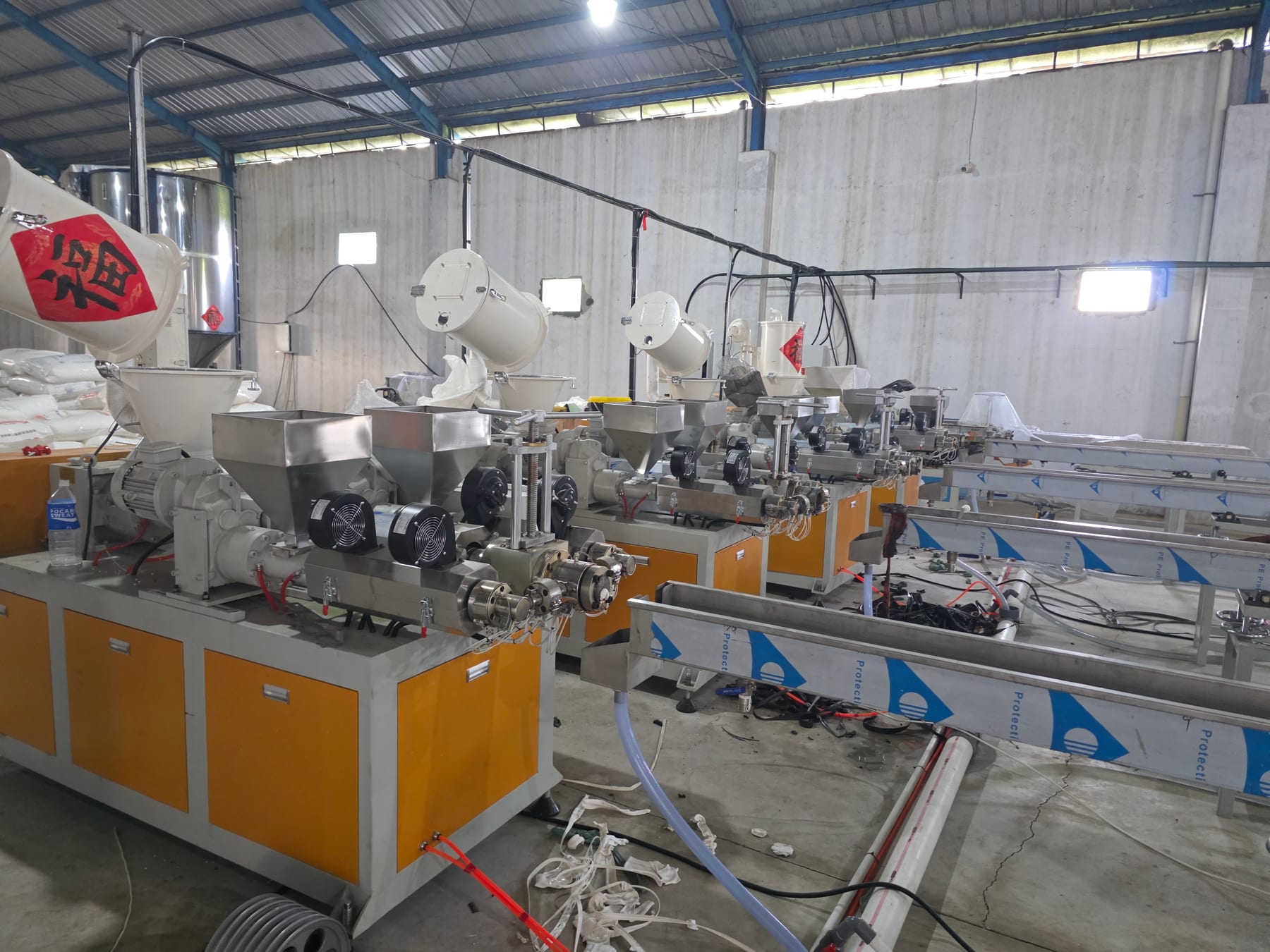
This block identifies what the published statement is based on and what it does not prove.
| Data source | Supplier formulation records and the test designation attached to the specific approved sample or order; no universal report applies to every product. |
|---|---|
| Method | Accelerated UV exposure must be read with its named test method, cycle, irradiance, temperature, moisture conditions, specimen, and acceptance criteria. |
| Record date / last review | 2026-07-30 |
| Sample or product scope | Only the sample, formulation, color, profile, and production scope identified by the relevant test record. |
| Limitations | A 3,000-hour accelerated test is not a fixed conversion to outdoor service years. Climate, orientation, heat, moisture, color, stress, and maintenance affect field performance. |
| Supporting image | View a factory material-check photograph |
| Public report file | No third-party laboratory certificate or downloadable report is published for this statement. Request the exact order or sample evidence needed for review. |
A UV or weathering report is one evidence direction. Route the purchasing question to the evidence category that can actually answer it.
| Question | Relevant Evidence Direction | Why UV Alone Is Not Enough |
|---|---|---|
| Color change under accelerated exposure | UV / weathering evidence | It addresses appearance change under the stated exposure and measurement procedure, not mechanical strength or outdoor lifetime. |
| Mechanical loss after weathering | Before/after weathering mechanical comparison | A weathering report alone may not measure retained mechanical properties after exposure. |
| Poolside or chlorine exposure | Defined chemical-exposure requirement | UV does not establish chemical response, cleaning conditions or the complete poolside furniture system. |
| Coastal or salt exposure | Project-specific coastal exposure and system review | UV does not establish salt-air, direct-splash or frame-system risk. |
| Fire requirement | Applicable market/customer-specified flammability requirement | UV does not assess behavior under a flammability method or classification rule. |
| Restricted-substance requirement | Market/customer chemical compliance evidence | UV does not identify regulated substances or establish all-market compliance. |
| Food-contact requirement | Applicable market-specific food-contact requirement | UV does not establish food-contact suitability or migration scope. |
| Low- or high-temperature requirement | Defined temperature / mechanical evaluation | UV does not establish thermal limits, cold handling or heat response. |
A weathering report answers only the properties evaluated under its stated exposure method. It does not by itself prove flame performance, restricted-substance compliance, chemical resistance, food-contact suitability, mechanical strength or a universal outdoor lifetime.
Read the complete method, specimen identity, operating conditions, measured property, acceptance rule, and product scope. Do not compare reports by exposure hours alone.
ASTM G154 and ISO 4892-3 describe fluorescent-UV approaches, while ASTM G155 and ISO 4892-2 describe xenon-arc approaches. These methods use different light-source and apparatus frameworks, and each permits or references specific operating conditions. No one method is declared universally superior here; the useful method is the one that fits the buyer's material, exposure objective, evaluation property, and agreed specification.
| Method | Light Source / Approach | What to Read in the Report | Buyer Caution |
|---|---|---|---|
| ASTM G154 | Fluorescent ultraviolet lamp apparatus with controlled light, heat, and moisture conditions. | Lamp type, irradiance, cycle, temperature, moisture step, specimen details, and the property-evaluation method. | The practice allows different exposure conditions; the standard name or hours alone do not make two results equivalent. |
| ASTM G155 | Optically filtered xenon-arc lamp apparatus with controlled light, heat, and optional moisture. | Filter system, irradiance, light/dark or spray cycle, temperature, moisture, specimen details, and evaluation method. | Different apparatus, filters, settings, or evaluation rules can produce materially different results. |
| ISO 4892-2 | Methods for exposing plastics to xenon-arc lamps in the presence of defined environmental conditions and moisture. | Edition, filter classification, irradiance, cycle, temperature, humidity or wetting, specimen, and measured property. | Confirm the complete method and report scope; the ISO reference by itself is not a Greenlife product result. |
| ISO 4892-3 | Methods for exposing plastics to fluorescent UV lamp radiation, heat, and water under controlled conditions. | Edition, lamp type, irradiance, cycle, temperature, water or condensation step, specimen, and measured property. | It is a fluorescent-UV approach, but no method should be treated as universally superior for every material or buyer program. |
A complete report should let the buyer connect the tested specimen and operating conditions to the measured result and the offered product.
| Required Report Field | What to Confirm |
|---|---|
| Laboratory / Report ID | Identify the issuing laboratory, report number, issue date, and any page or revision reference. |
| Test Standard / Method | Confirm the exact standard, edition, procedure, option, and any referenced material-specific method. |
| Sample code | Match the tested specimen to a traceable sample, retained reference, or order item. |
| Formulation (if disclosed) | Check whether the report identifies the tested formulation or clearly states that it is confidential or undisclosed. |
| Color / Profile | Confirm that the tested color, cross-section, surface, and specimen form match the offered product scope. |
| Lamp / Light Source | Record the fluorescent UV lamp type or xenon-arc source and the relevant filter system. |
| Cycle / Settings | Read irradiance, light/dark stages, spray, condensation, wetting, humidity, and timing instead of relying on the standard name alone. |
| Temperature / Moisture | Identify controlled temperatures and the moisture conditions applied to the specimen. |
| Exposure Hours | Record the laboratory duration without converting it into a fixed number of outdoor years. |
| Measured Property | Identify what was evaluated, such as color change, appearance, tensile property, cracking, gloss, or another defined property. |
| Acceptance Criteria | Find the buyer-, specification-, or method-defined decision rule used to judge the result. |
| Before / After Result | Look for the initial value, final value, change, photographs, comparison specimen, and measurement units where applicable. |
| Deviations | Read omissions, interruptions, departures from the method, conditioning differences, and laboratory comments. |
| Product Scope | Confirm which formulation, color, profile, production batch, or product family the report can and cannot support. |
No Greenlife-specific third-party laboratory certificate is currently published.
Citing an external standard does not prove a Greenlife formulation, color, profile, or production result. Any future claim should be tied to the specific report, tested sample, conditions, measured property, acceptance criteria, and product scope that support it.
A chair under a roof in a mild climate has a different risk from a sofa beside a swimming pool or furniture sold into a high-sun market. The specification should describe the exposure, target price, expected product life, and any test requirement.
This makes the quotation easier to compare. It also reduces the chance of paying for a grade the product does not need, or using a cost-focused grade in a demanding location.
These categories are for early discussion. The final formulation and commercial terms should be confirmed in the sample and quotation.
| Use condition | Planning direction | What to confirm |
|---|---|---|
| Indoor and decorative use | Cost-focused material can be considered.Suitable where direct sun and weather exposure are limited. | Surface, color, flexibility, profile, and indoor application. |
| Covered outdoor | An upgraded outdoor formulation may be appropriate.Useful for balconies, roofed terraces, and semi-outdoor areas. | Hours of direct sun, rain exposure, climate, and target price. |
| Regular outdoor | Plan a defined outdoor UV grade.The order record should state the approved formulation and sample. | Target market, expected service conditions, color, and warranty discussion. |
| Strong sun or demanding export programs | A configurable option for projects targeting up to 3,000-hour accelerated UV test requirements can be discussed.Confirm the product and test specification instead of choosing only by the largest test number. | Required test method, exposure, project standard, sample approval, and order quantity. |
Color, profile, application, and record keeping still need to be agreed before bulk production.
State whether the furniture is shaded, seasonal, permanently outdoors, or exposed to strong direct sun.
A mainstream collection and a long-term contract project usually need different cost and performance planning.
Write any required test hours or customer standard into the inquiry so the offered grade is clear.
Approve the real profile and color because surface texture and mixed tones can change the final appearance.
Keep one signed or clearly coded sample as the standard for bulk production and future repeat orders.
Custom-color minimum quantity is project-specific. Confirm the minimum for the selected formulation, profile, color, and order in the quotation; no universal website threshold is binding.
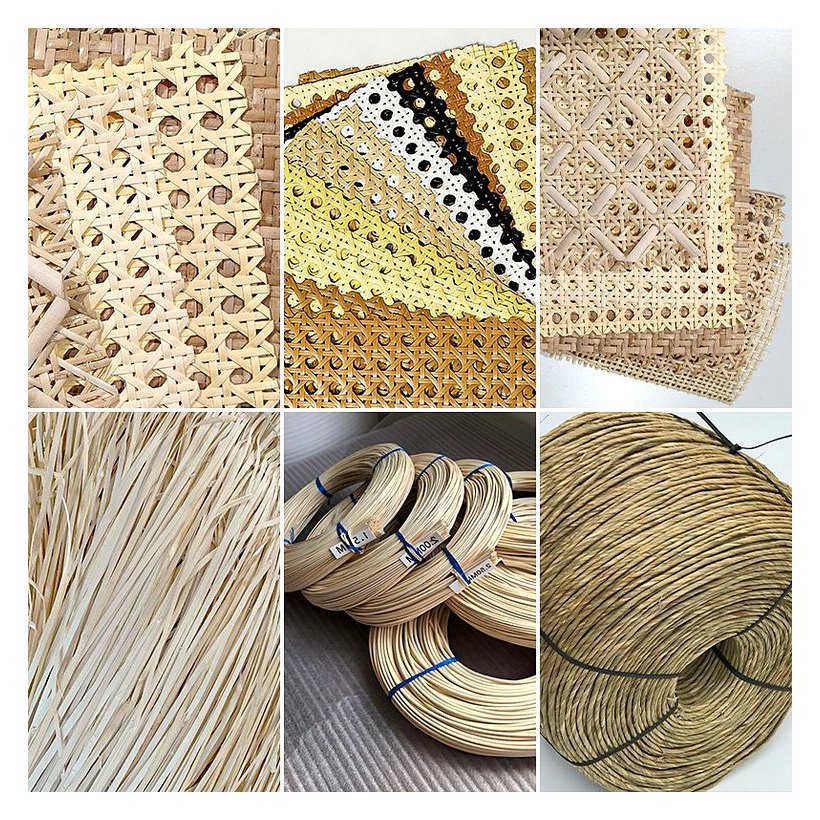
Test strips can look different after weaving. Frame color, weave density, tension, surrounding fabric, and daylight all affect the result. For an important collection, approve the profile and color on the real frame whenever possible.
For mixed-tone or gradient rattan, agree on an acceptable color range rather than one isolated point. Keep the approved sample code together with the UV grade, profile size, packing method, and production batch record.
Review custom profiles and colorsThe aim is to leave a clear material record, not only an approved-looking sample.
Send the furniture type, market, exposure, expected quantity, profile, color, and delivery plan.
Compare the suitable formulation, test reference, cost direction, and any customer requirement.
Check color, surface, flexibility, profile, and weaving result before confirming bulk production.
Keep the item code, UV grade, approved sample, packing, and batch details for repeat orders.
Use these answers as a starting point, then confirm the selected grade in the quotation and approved sample.
It is a configurable project target, not a universal Greenlife product result. Confirm the formulation, color, profile, test method, exposure cycle, acceptance criteria, and order specification. A stated accelerated-test duration does not represent a fixed number of outdoor service years.
Not always. Covered patio furniture and high-exposure poolside furniture have different performance and cost requirements. The grade should match the real application and target market.
No outdoor material should be described as completely fade-proof. A suitable formulation can improve resistance, but color, exposure, cleaning, climate, and the approved material standard still matter.
Share the furniture application, selling market, indoor or outdoor location, expected sun exposure, color, profile, order quantity, and any test or warranty requirement in the buying specification.
No. ASTM G154 and ISO 4892-3 use fluorescent-UV approaches, while ASTM G155 and ISO 4892-2 use xenon-arc approaches. Suitability depends on the material, exposure objective, apparatus, settings, measured property, and buyer requirement.
No. A standard defines an approach or operating framework. A product claim still needs a traceable report whose sample, method, settings, results, acceptance criteria, and product scope match the offered material.
Share the product profile, color target, UV requirement, estimated quantity, and application. The team can prepare samples and discuss production planning.