
Direct Answer
Compare common synthetic rattan profiles for outdoor sofas, dining chairs, decorative panels, baskets, and premium woven furniture.
Flat PE rattan for efficient production
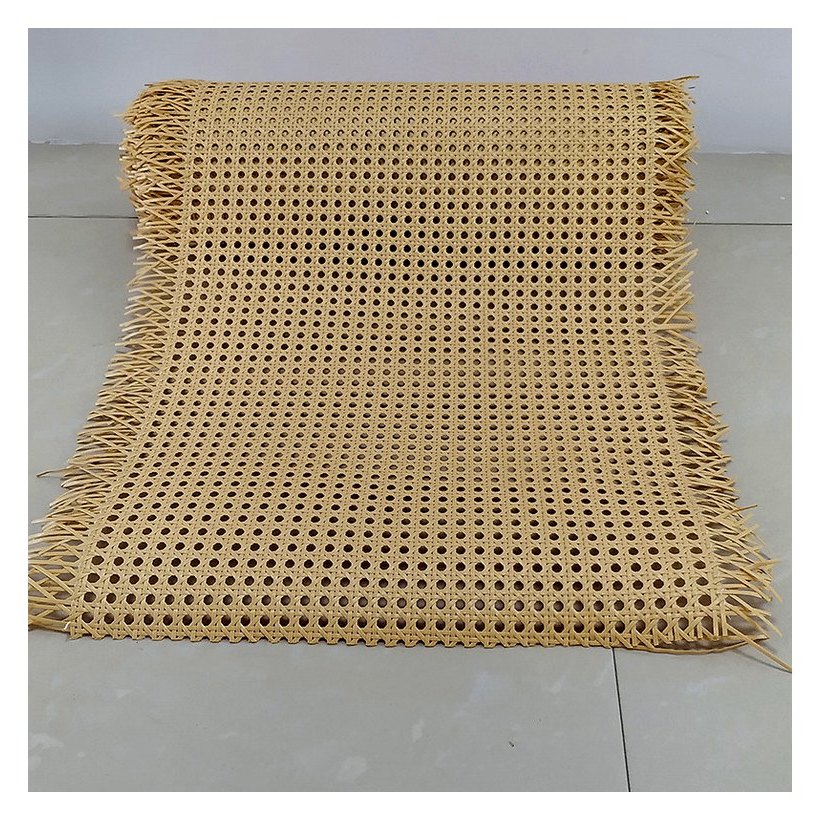
Flat PE rattan is one of the most common choices for outdoor furniture factories because it covers broad surfaces efficiently and works well on sofas, dining chairs, baskets, and panels.
Buyers should confirm width, thickness, surface texture, color, UV grade, and roll packing. For high-volume production, even small improvements in weaving speed can make a meaningful difference.
Hollow rattan for volume and weight control
Hollow synthetic rattan is useful when the furniture design needs a rounded visual shape without unnecessary weight. It is often selected for garden chairs, sofa arms, and rounded decorative details.
The key checks are outer diameter, wall thickness, flexibility, and whether the profile keeps its shape during weaving. A profile that is too soft may collapse, while one that is too hard may be difficult to bend.
Twisted rattan for a handcrafted look
Twisted rattan creates a more natural and decorative appearance. It is suitable for chair backs, open panels, basket-style products, and furniture lines that need a warmer handmade character.
When sampling twisted material, check twist depth, softness, color tone, and weaving tension. The final result should look natural without making production slow or unstable.
Brushed rattan for premium texture
Brushed synthetic rattan adds surface depth and helps the finished product look less flat. It is often used for premium lounge sets, feature panels, and collections where perceived value matters.
Texture depth, scratch visibility, color consistency, and UV performance should be reviewed together. A balanced brushed finish can look rich while remaining practical for outdoor furniture maintenance.
Use samples to make the final choice
The best profile depends on the furniture design, market level, workshop process, and target price. A comparison on paper is useful, but the real decision should be made after weaving sample material on the actual frame.
Greenlife Rattan can help buyers compare profile options, custom colors, surface textures, and UV grades for both mainstream and premium furniture programs.
Application and Specification Decision Table
The checks below turn the guide's main points into a short application and specification review for sample approval.
| Decision area | What to verify | Buyer action |
|---|---|---|
| Flat PE rattan for efficient production | Flat PE rattan is one of the most common choices for outdoor furniture factories because it covers broad surfaces efficiently and works well on sofas, dining chairs, baskets, and panels. | Buyers should confirm width, thickness, surface texture, color, UV grade, and roll packing. |
| Hollow rattan for volume and weight control | Hollow synthetic rattan is useful when the furniture design needs a rounded visual shape without unnecessary weight. | The key checks are outer diameter, wall thickness, flexibility, and whether the profile keeps its shape during weaving. |
| Twisted rattan for a handcrafted look | Twisted rattan creates a more natural and decorative appearance. | When sampling twisted material, check twist depth, softness, color tone, and weaving tension. |
| Brushed rattan for premium texture | Brushed synthetic rattan adds surface depth and helps the finished product look less flat. | Texture depth, scratch visibility, color consistency, and UV performance should be reviewed together. |
Buyer Decision Points
Approve the material only after the guide's relevant checks are tied to the actual product, frame, market, and repeat-order record.
- Flat PE rattan for efficient production
- Hollow rattan for volume and weight control
- Twisted rattan for a handcrafted look
- Brushed rattan for premium texture
Factory Process or Test Method
Start with the buyer's application and reference sample, document the relevant profile, color, performance, and packing requirements, then compare the production sample on the intended frame before bulk approval.
Common Mistakes
Common errors are approving from a screen photo alone, omitting the actual frame or exposure condition, treating a color name as a repeatable standard, and leaving packing or batch identification until after production.
Related Products and Categories
Compare the linked material families and product codes against the application and sample checks described above.
Buyer FAQ
These answers explain how to apply the guide without treating it as a substitute for buyer-specific testing.
How should buyers use this product comparison guide?
Use it to prepare the application, sample, specification, and acceptance points before asking for a quotation or approving bulk production.
Does this guide replace testing on the actual furniture frame?
No. The buyer should confirm the material on the intended frame, under the relevant exposure and production conditions.
What should be recorded for a repeat order?
Record the item code, approved sample, profile or pattern, color reference, performance requirement, packing method, and batch reference.
Limitations
This guide supports purchasing and sample review, but it does not replace testing on the buyer's actual frame, exposure conditions, production equipment, or acceptance standard. UV test hours are laboratory test conditions and are not a fixed conversion to outdoor service years.
Sources and Review
Primary source: Greenlife Rattan factory process, sample approval, quality-control, and packing records described on this website.
Reviewer: Greenlife Rattan production and buyer-support team. Date published: 2026-05-16. Last reviewed: 2026-07-30.
Need a material recommendation?
Send the product application, target market, sample photo, or color reference and PT Greenlife Polyrattan Indonesia can help suggest a practical material path.
Send Sample Request