
Confirm the order sheet
Lock the item code, profile, color reference, UV grade, roll standard, quantity, label, and packing method.
Greenlife plans PE rattan production around an approved material standard: profile, color, surface, flexibility, UV grade, roll requirement, and packing. The process below shows the typical control points used for a bulk order in Cirebon.

A product name such as "flat brown rattan" is not enough for repeatable production. The order should identify the profile dimensions, approved color, surface effect, softness or flexibility, UV grade, roll standard, and packing requirement.
For an existing furniture line, a physical strip or approved sample is the best reference. For a new design, drawings, close-up photos, target furniture, and market information help the factory prepare a more useful sample.
The exact setup changes with profile and surface design, but these are the main stages a buyer should understand.
Lock the item code, profile, color reference, UV grade, roll standard, quantity, label, and packing method.
Prepare the production batch around the agreed formulation, color target, surface direction, and application.
Run the material through the selected tooling to create the required flat, round, half-round, rope, or other profile.
Control the visible surface, cooling, flexibility, and winding behavior required for furniture production.
Compare production material with the approved standard and prepare rolls for practical workshop handling.
Confirm roll identification, packing protection, order quantity, and shipment preparation before release.
A useful production record connects the approved sample, process checks, finished rolls, and the next repeat order.
| Stage | Main check | Why it matters to the buyer |
|---|---|---|
| Order preparation | Item code, sample, dimensions, color, UV grade, and quantity.The written order and physical reference should point to the same material. | Prevents different teams from interpreting a general product name differently. |
| First production output | Profile size, surface, color direction, and flexibility.Custom and replacement materials need comparison against the approved reference. | Finds a mismatch before the full batch has been completed. |
| In-process material | Profile consistency, visible surface, winding, and batch identification.Checks should follow the points that affect furniture weaving and appearance. | Helps the workshop receive material that is easier to identify and handle. |
| Finished rolls | Roll standard, labels, packing protection, and order quantity.Item code and batch information should remain clear after packing. | Reduces warehouse confusion, especially in mixed-profile or mixed-color shipments. |
| Repeat-order record | Approved sample, final item code, batch, packing method, and agreed notes.Keep any accepted tolerance or special handling point with the order. | Shortens the next order discussion and gives both sides a shared reference. |
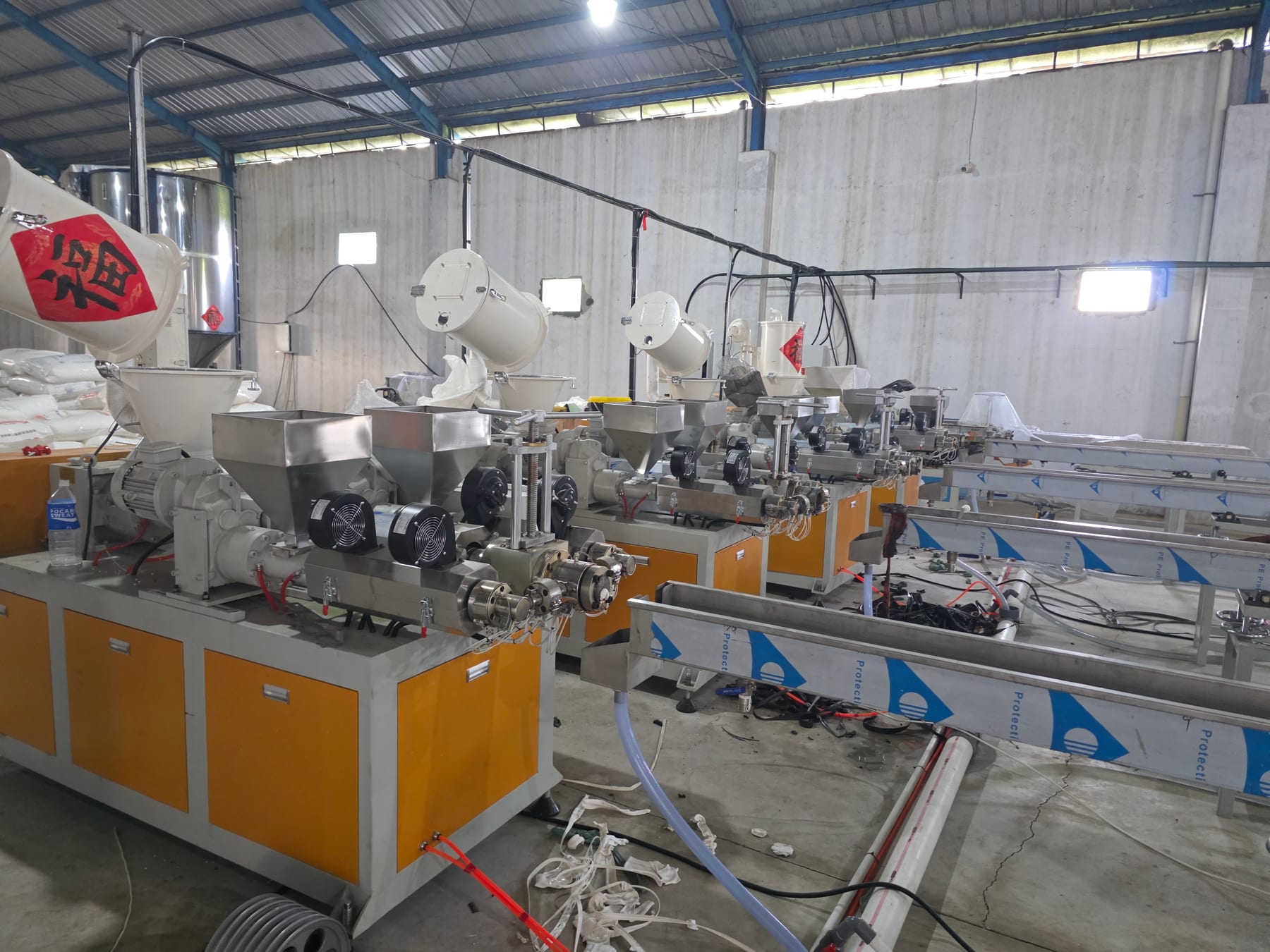
The first useful comparison happens after production begins, when the actual profile, surface, color direction, surface feel, and flexibility can be checked together. This is especially important for copied profiles, custom colors, natural-look effects, and material made for an existing furniture frame.
The final check still matters, but it serves a different purpose: confirming rolls, labels, packing, and batch records before shipment. Both checks should use the same approved standard.
Review the quality control pointsThese six references are more useful than a long message with no measurable standard.
List the item code, dimensions, quantity, application, target market, and required delivery plan.
Send a physical strip, drawing, or clear measurement for width, thickness, diameter, and shape.
Use a physical sample or approved color range, especially for natural, mixed-tone, and gradient effects.
Show the frame, weave pattern, panel, basket, or finished product where the material will be used.
Confirm the information needed by the buyer's warehouse and furniture production team.
State the preferred roll standard, outer protection, cartons, pallets, and mixed-loading plan.
Use these answers to prepare the first discussion, then confirm the final standard in the sample and quotation.
No. Flat, round, half-round, rope, twisted, brushed, gradient, and hollow profiles can require different tooling, surface work, and process settings. The order standard should be confirmed before bulk production.
Confirm the profile size, color or color range, surface, flexibility, UV grade, roll standard, label, packing method, and intended application. A physical approved sample is especially useful for custom and repeat orders.
Keep the item code, approved sample, profile specification, color reference, UV grade, roll standard, packing method, and previous batch information together. The next order can then be checked against the same record.
Yes. Factory visits can be arranged to review samples, discuss process requirements, and understand the production and packing flow before long-term cooperation.
Share the product profile, color target, UV requirement, estimated quantity, and application. The team can prepare samples and discuss production planning.