
Direct Answer
Compare PE and PVC synthetic rattan for outdoor furniture production. Learn how buyers should evaluate flexibility, UV grade, color stability, samples, and repeat orders.
Buyer guide overview
For furniture factories, the choice between PE and PVC rattan is not only a material question. It affects outdoor durability, weaving feel, color planning, cost control, and repeat-order consistency. A material may look acceptable on a small roll, but the real test is how it behaves on the frame, under tension, and after months of outdoor use.
What is PE rattan?
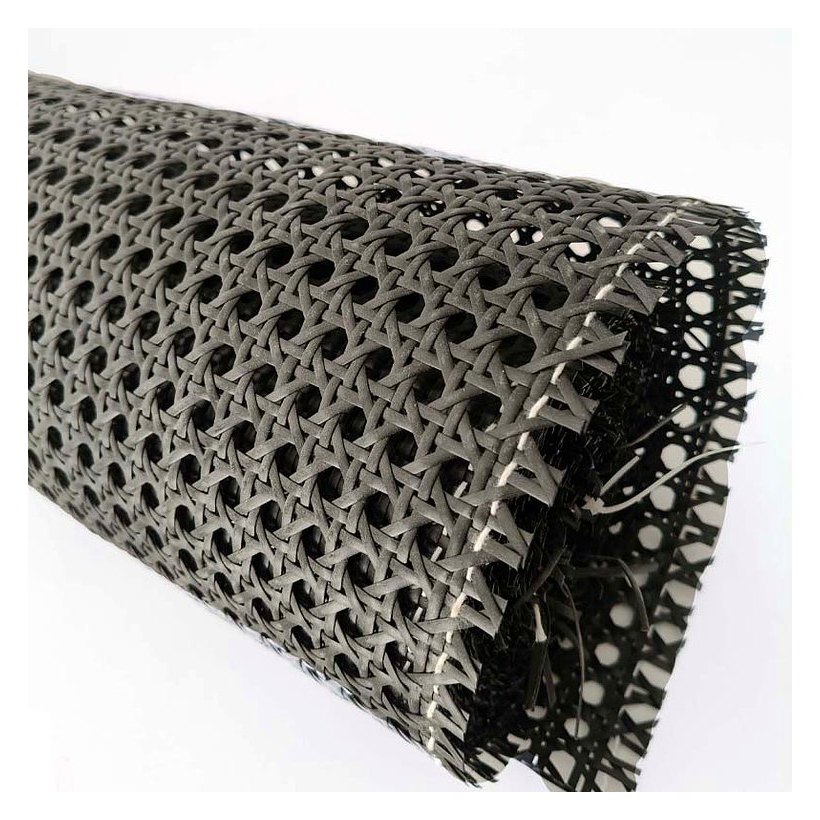
PE rattan is a synthetic rattan material made from polyethylene. It is widely used for patio furniture, garden dining sets, loungers, sofa panels, cabinet inserts, and decorative woven panels. Buyers usually choose PE when they need a softer surface feel and flexibility, better outdoor flexibility, and more stable repeat production for furniture programs.
For B2B orders, PE rattan can be developed in flat, round, half-round, seagrass-look, rope, twisted, and weaving net forms. This gives furniture factories more control over profile width, thickness, color, texture, packing, and application.
What is PVC rattan?
PVC rattan is made from polyvinyl chloride. It can be used for some woven products and budget-oriented furniture lines, but buyers should check flexibility, odor, temperature performance, and long-term surface stability carefully. In many outdoor furniture projects, PVC is considered more price-driven, while PE is more common for repeat outdoor furniture production.
PVC may work for low-cost or short-life applications, but it should not be selected only because the initial price is lower. A furniture factory should calculate rejects, weaving difficulty, complaints, and reorder consistency before choosing a material.
Main buying comparison
For outdoor furniture buyers, the key comparison points are flexibility, UV plan, color stability, surface feel, production repeatability, and sample approval. PE rattan is often preferred when the product must be woven tightly around aluminum or steel frames without cracking or creating an uncomfortable surface feel and flexibility.
PVC may be acceptable for certain indoor or low-exposure uses, but it needs practical testing before bulk orders. If the product will be used in hot, sunny, or humid markets, ask the supplier to explain the UV grade, color formulation, and recommended application.
Which material should buyers choose?
Choose PE rattan when your project requires outdoor furniture performance, custom colors, repeat orders, and stable weaving. Choose PVC only when the application, exposure level, and expected product life are clear and the sample test confirms acceptable performance.
The safest purchasing method is to send the supplier a target sample or specification sheet, then request a small roll for color review and test weaving before confirming the bulk order.
Buyer checklist before ordering
Before placing a bulk order, confirm the material type, profile size, color target, UV grade, surface texture, roll length, packing method, approved sample code, and expected application. A clear checklist prevents the supplier from quoting a material that looks similar but performs differently.
Buyer takeaway
Need help choosing PE synthetic rattan for your furniture line? Browse Greenlife synthetic rattan products or send a sample request to confirm material type, color, UV grade, and profile size before bulk production.
Application and Specification Decision Table
The checks below turn the guide's main points into a short application and specification review for sample approval.
| Decision area | What to verify | Buyer action |
|---|---|---|
| Buyer guide overview | For furniture factories, the choice between PE and PVC rattan is not only a material question. | It affects outdoor durability, weaving feel, color planning, cost control, and repeat-order consistency. |
| What is PE rattan? | PE rattan is a synthetic rattan material made from polyethylene. | For B2B orders, PE rattan can be developed in flat, round, half-round, seagrass-look, rope, twisted, and weaving net forms. |
| What is PVC rattan? | PVC rattan is made from polyvinyl chloride. | PVC may work for low-cost or short-life applications, but it should not be selected only because the initial price is lower. |
| Main buying comparison | For outdoor furniture buyers, the key comparison points are flexibility, UV plan, color stability, surface feel, production repeatability, and sample approval. | PVC may be acceptable for certain indoor or low-exposure uses, but it needs practical testing before bulk orders. |
Buyer Decision Points
Approve the material only after the guide's relevant checks are tied to the actual product, frame, market, and repeat-order record.
- Buyer guide overview
- What is PE rattan?
- What is PVC rattan?
- Main buying comparison
Factory Process or Test Method
Start with the buyer's application and reference sample, document the relevant profile, color, performance, and packing requirements, then compare the production sample on the intended frame before bulk approval.
Common Mistakes
Common errors are approving from a screen photo alone, omitting the actual frame or exposure condition, treating a color name as a repeatable standard, and leaving packing or batch identification until after production.
Related Products and Categories
Compare the linked material families and product codes against the application and sample checks described above.
Buyer FAQ
These answers explain how to apply the guide without treating it as a substitute for buyer-specific testing.
Is PE rattan better than PVC rattan?
For many outdoor furniture applications, PE rattan is preferred because it usually offers better flexibility, outdoor suitability, and repeat production control. The final choice should still be confirmed by sample testing.
Can PVC rattan be used outdoors?
PVC rattan can be used in some applications, but buyers should check UV stability, temperature performance, odor, flexibility, and product life expectations before bulk production.
What should I ask the supplier before choosing PE or PVC?
Ask for material type, profile size, color sample, UV grade, roll packing, sample code, and test weaving results.
Should I test weave before ordering?
Yes. Test weaving helps confirm flexibility, tension, color appearance on the frame, and whether the profile works for your furniture design.
Limitations
This guide supports purchasing and sample review, but it does not replace testing on the buyer's actual frame, exposure conditions, production equipment, or acceptance standard. UV test hours are laboratory test conditions and are not a fixed conversion to outdoor service years.
Sources and Review
Primary source: Greenlife Rattan factory process, sample approval, quality-control, and packing records described on this website.
Reviewer: Greenlife Rattan production and buyer-support team. Date published: 2026-06-30. Last reviewed: 2026-07-30.
Need a material recommendation?
Send the product application, target market, sample photo, or color reference and PT Greenlife Polyrattan Indonesia can help suggest a practical material path.
Send Sample Request