
Direct Answer
Yanda is not only for chair backs. It also fits cabinet inserts, room dividers, decorative panels, and renovation projects.
A familiar pattern with wider use
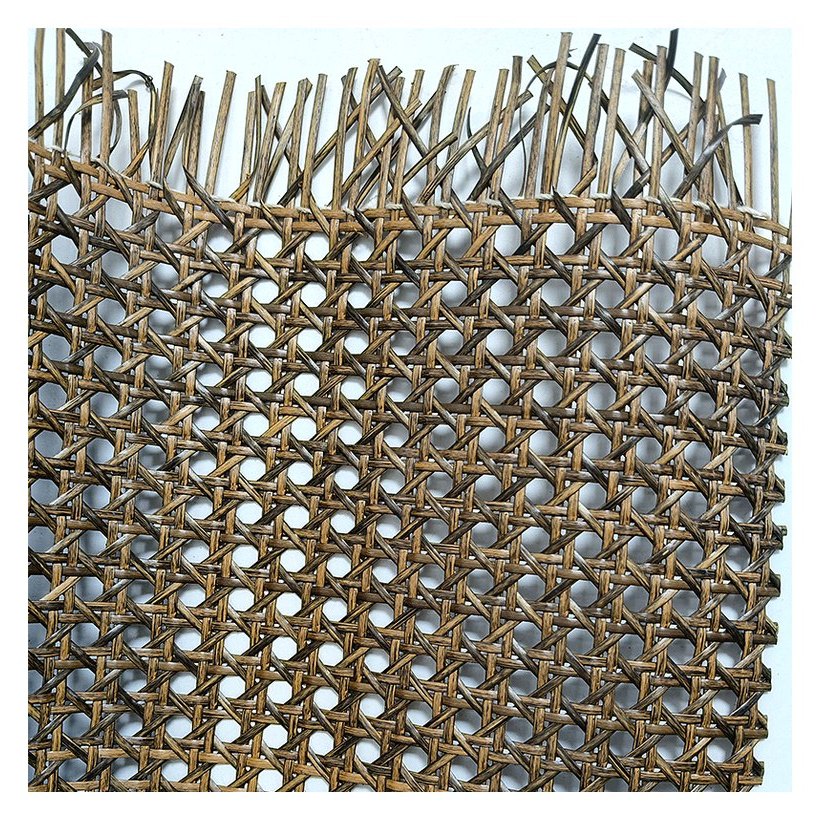
Octagon weaving net, often called Yanda, creates a light and breathable visual pattern that works well on furniture and interior surfaces. The open structure gives products a natural woven feeling without making the panel look heavy.
In addition to chair backs and household items, Yanda is widely used for cabinet doors, screens, room dividers, wall panels, decorative surfaces, and renovation projects.
Furniture and cabinet applications
For furniture factories, Yanda is useful for chair backs, side panels, inserts, and decorative details. It can reduce visual weight while keeping a clear woven identity.
For cabinet and interior workshops, the same material can be used in doors, partitions, screens, and renovation features. Designers often choose it when they want a warmer texture than plain panels or glass.
Confirm pattern and hole size
Different hole sizes and pattern proportions create different visual effects. A smaller pattern may feel tighter and more refined, while a larger pattern can look lighter and more decorative.
Before ordering, confirm the pattern, color, width, roll specification, installation method, and target application. A photo of the cabinet, chair, or interior area helps select the correct specification.
Stock helps project timing
Decoration projects often move quickly, and furniture factories may need repeat material without waiting for new development. Ready stock can help keep the workshop schedule moving.
Greenlife Rattan keeps popular Yanda patterns and specifications in stock to support prompt delivery for furniture, household products, decoration, and renovation applications.
Plan packing for the workshop
Yanda is usually handled in rolls, so packing should match how the workshop stores, cuts, and installs the material. Clear labels for pattern, color, specification, and batch make repeat use easier.
For mixed orders, buyers can discuss combining several patterns or colors in one shipment. This is helpful for interior projects and furniture factories testing multiple design directions.
Application and Specification Decision Table
The checks below turn the guide's main points into a short application and specification review for sample approval.
| Decision area | What to verify | Buyer action |
|---|---|---|
| A familiar pattern with wider use | Octagon weaving net, often called Yanda, creates a light and breathable visual pattern that works well on furniture and interior surfaces. | In addition to chair backs and household items, Yanda is widely used for cabinet doors, screens, room dividers, wall panels, decorative surfaces, and renovation projects. |
| Furniture and cabinet applications | For furniture factories, Yanda is useful for chair backs, side panels, inserts, and decorative details. | For cabinet and interior workshops, the same material can be used in doors, partitions, screens, and renovation features. |
| Confirm pattern and hole size | Different hole sizes and pattern proportions create different visual effects. | Before ordering, confirm the pattern, color, width, roll specification, installation method, and target application. |
| Stock helps project timing | Decoration projects often move quickly, and furniture factories may need repeat material without waiting for new development. | Greenlife Rattan keeps popular Yanda patterns and specifications in stock to support prompt delivery for furniture, household products, decoration, and renovation applications. |
Buyer Decision Points
Approve the material only after the guide's relevant checks are tied to the actual product, frame, market, and repeat-order record.
- A familiar pattern with wider use
- Furniture and cabinet applications
- Confirm pattern and hole size
- Stock helps project timing
Factory Process or Test Method
Start with the buyer's application and reference sample, document the relevant profile, color, performance, and packing requirements, then compare the production sample on the intended frame before bulk approval.
Common Mistakes
Common errors are approving from a screen photo alone, omitting the actual frame or exposure condition, treating a color name as a repeatable standard, and leaving packing or batch identification until after production.
Related Products and Categories
Compare the linked material families and product codes against the application and sample checks described above.
Buyer FAQ
These answers explain how to apply the guide without treating it as a substitute for buyer-specific testing.
How should buyers use this applications guide?
Use it to prepare the application, sample, specification, and acceptance points before asking for a quotation or approving bulk production.
Does this guide replace testing on the actual furniture frame?
No. The buyer should confirm the material on the intended frame, under the relevant exposure and production conditions.
What should be recorded for a repeat order?
Record the item code, approved sample, profile or pattern, color reference, performance requirement, packing method, and batch reference.
Limitations
This guide supports purchasing and sample review, but it does not replace testing on the buyer's actual frame, exposure conditions, production equipment, or acceptance standard. UV test hours are laboratory test conditions and are not a fixed conversion to outdoor service years.
Sources and Review
Primary source: Greenlife Rattan factory process, sample approval, quality-control, and packing records described on this website.
Reviewer: Greenlife Rattan production and buyer-support team. Date published: 2026-05-15. Last reviewed: 2026-07-30.
Need a material recommendation?
Send the product application, target market, sample photo, or color reference and PT Greenlife Polyrattan Indonesia can help suggest a practical material path.
Send Sample Request